Say "Italy" to almost anyone and you'll get the same handful of images back: Roman ruins, Venetian canals, the Amalfi Coast at golden hour, maybe a Tuscan vineyard. All real, all earned their reputation. None of it prepares you for Gran Sasso.
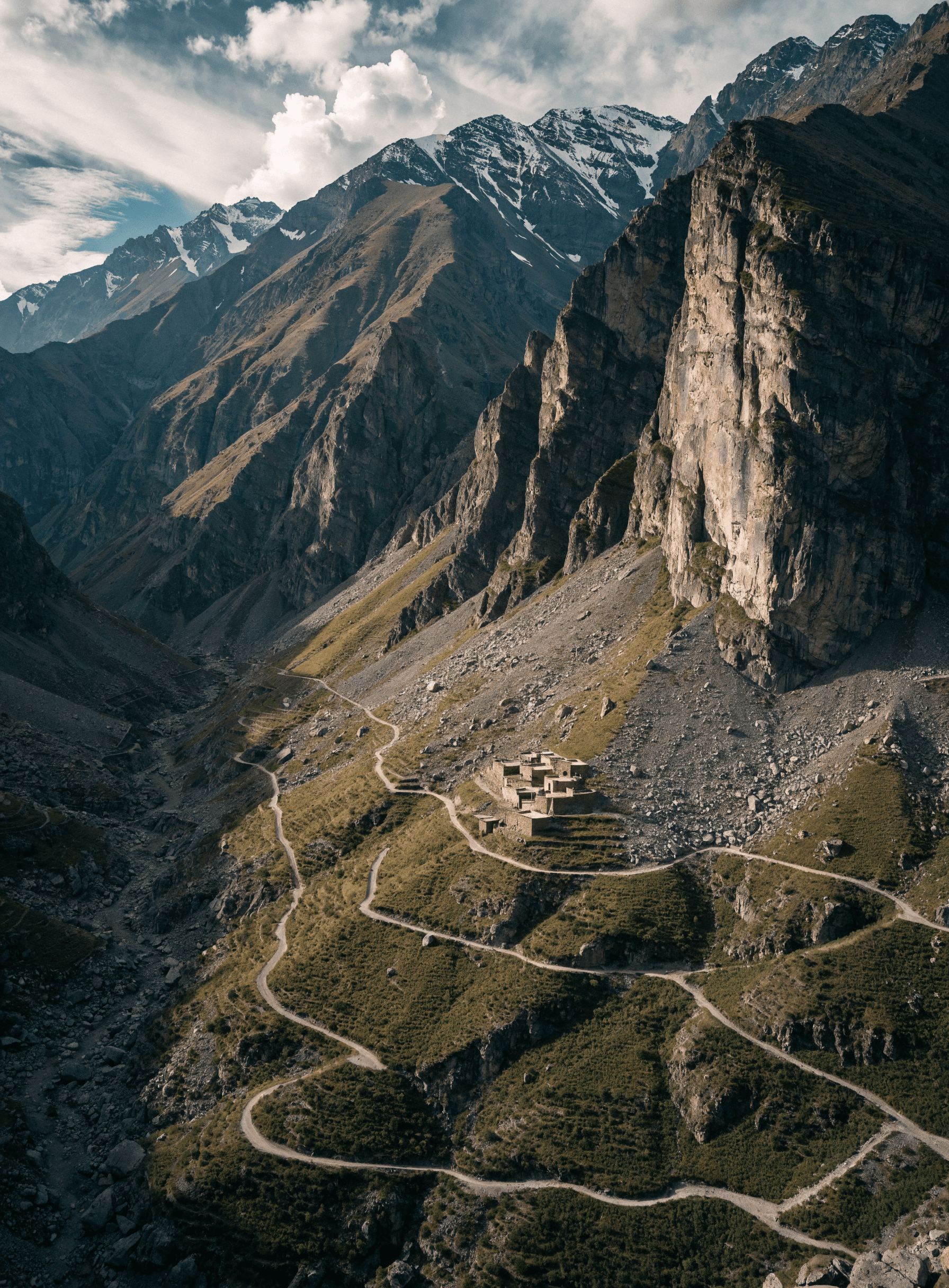
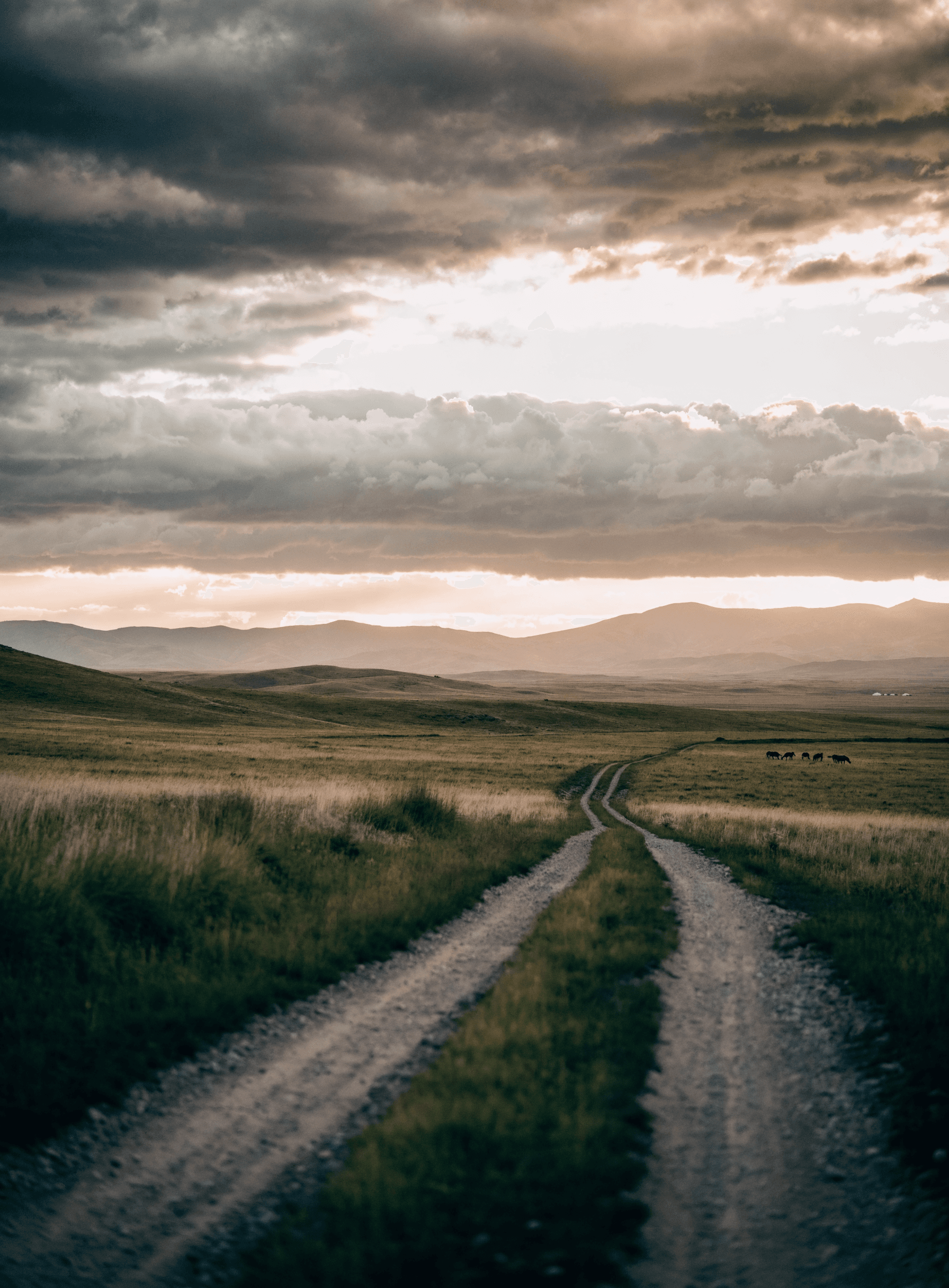
Gran Sasso e Monti della Laga National Park sits in Abruzzo, roughly a couple of hours from Rome, and yet feels like it belongs to a different country entirely — the tallest peaks of the Apennines, a high plateau locally nicknamed "Italy's Little Tibet" for its stark, wide-open scale, and mountain villages that see a fraction of the visitors Tuscany does in a single afternoon.
A genuinely wild mountain landscape
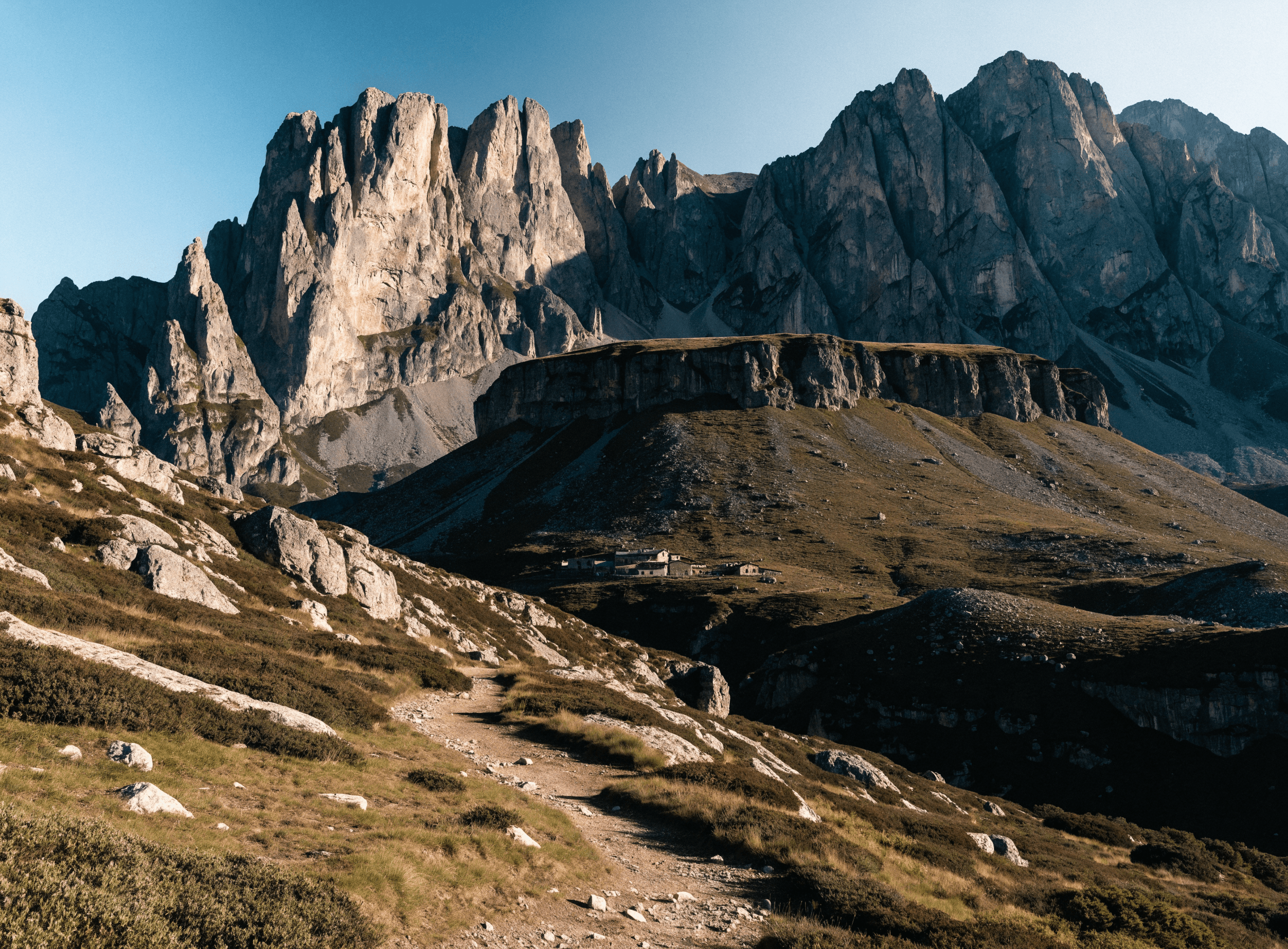
This isn't gentle countryside. Corno Grande, the range's highest peak, tops 2,900 metres, and the terrain around it is properly alpine — jagged rock faces, scree slopes, and Calderone, mainland Europe's southernmost glacier, clinging on in its shadow. Hiking trails range from manageable day walks to serious mountaineering routes, and the villages tucked into the surrounding valleys have a slower, older rhythm than anywhere on the standard Italian circuit.
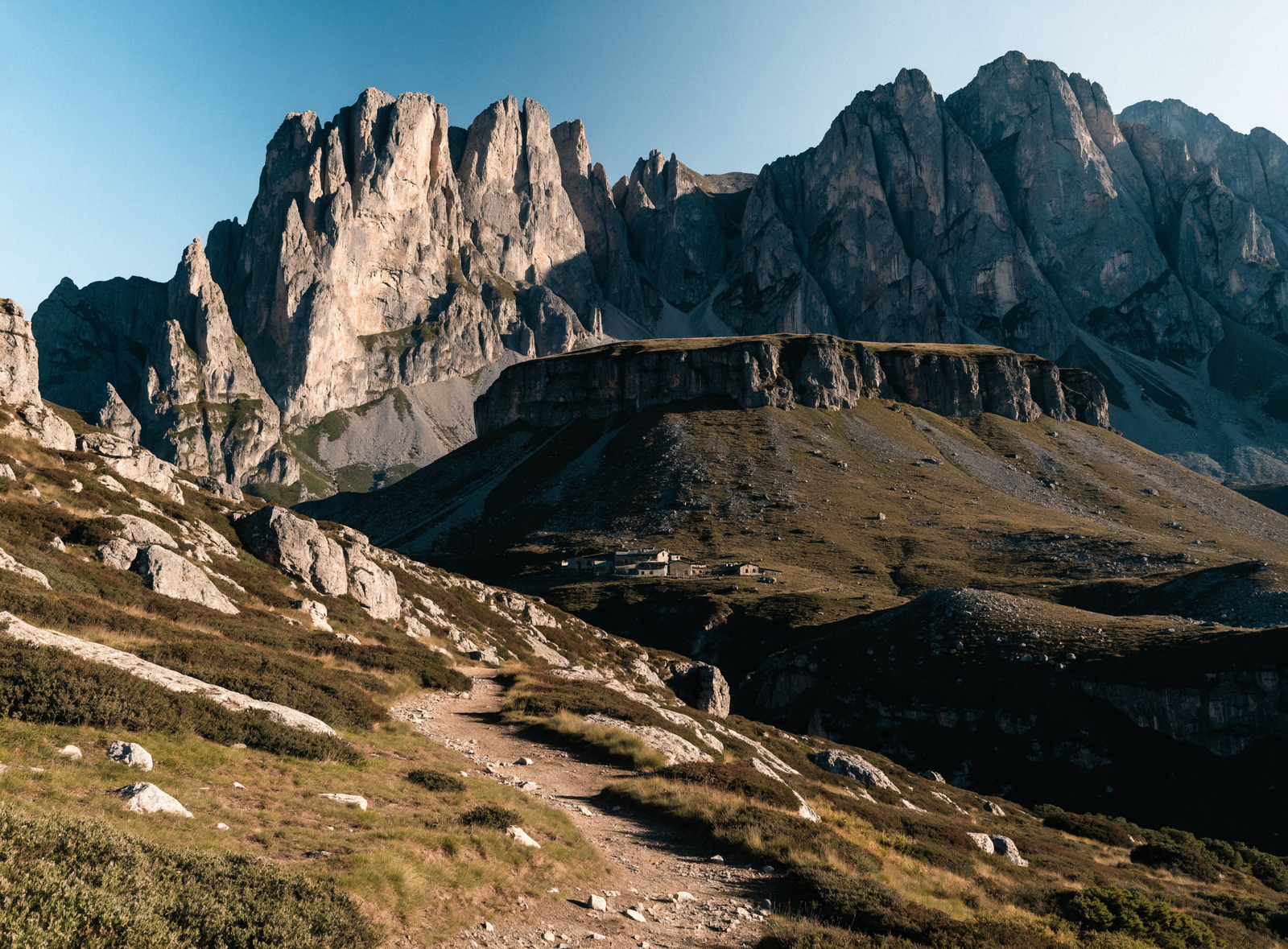
Everyone thinks they know Italy. Then you show them a glacier two hours from Rome, and they realise they'd only seen the postcard version.
Overlooked for a reason that doesn't hold up
Part of why Gran Sasso stays off the international radar is simple geography — it's inland, it's mountainous, and it doesn't have a beach or a canal to put on a postcard. But that's precisely what makes it worth the detour: dramatic alpine scenery, real hiking, and towns that haven't been reshaped around tourism, all within striking distance of Rome.
If your idea of Italy is frescoes and espresso in a piazza, Gran Sasso doesn't replace that. It just proves there's a whole other side of the country most travellers never think to look for.