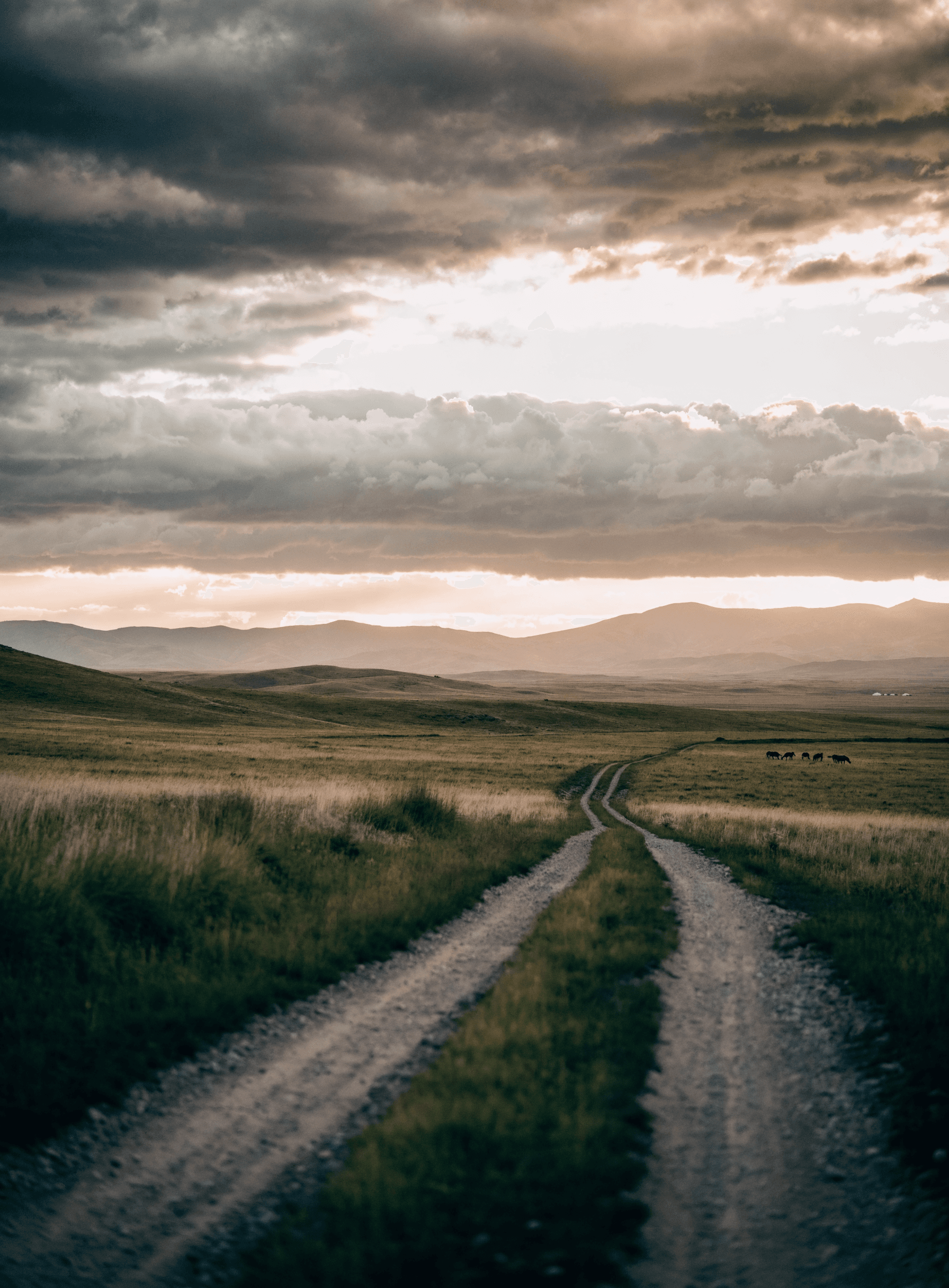
Mongolia has one of the lowest population densities on the planet, and once you're a few hours outside Ulaanbaatar, you start to understand what that actually means in practice: hours of open steppe between one small cluster of gers and the next, roads that are really just the flattest available line across the grass, and a horizon that stays empty in every direction for longer than feels possible.
It's a country where "how far is it" gets answered in days of riding rather than kilometres on a map, and where a huge amount of daily life still runs on a rhythm shaped by livestock, season and weather rather than a clock.
A culture still built around movement
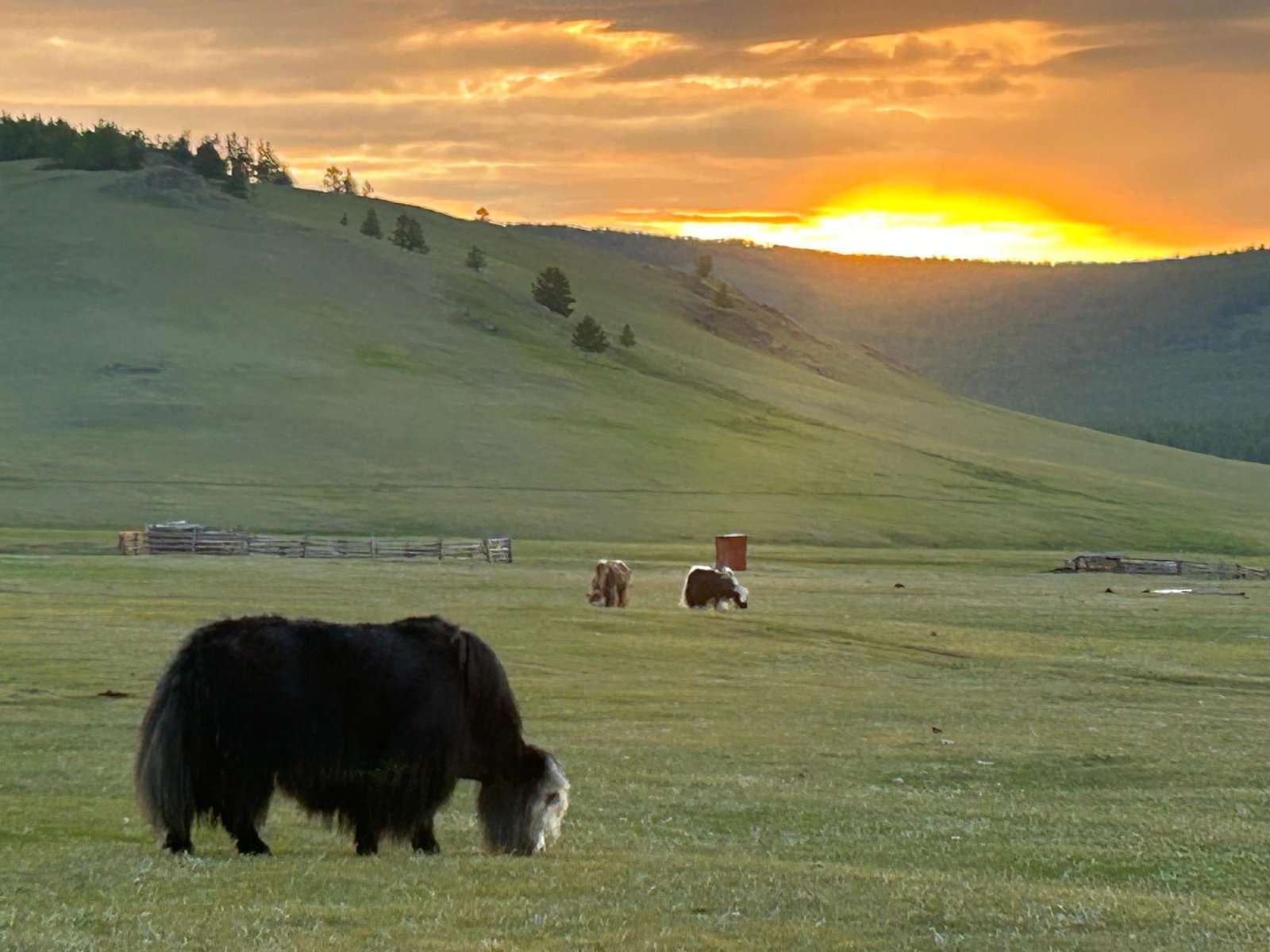
Nomadic and semi-nomadic herding isn't a tourist reenactment here — it's how a significant part of the country still lives, moving herds of horses, yaks, sheep and goats between grazing grounds as the seasons change. Ger camps appear in valleys that otherwise look completely uninhabited, and then, a few weeks later, they're gone.
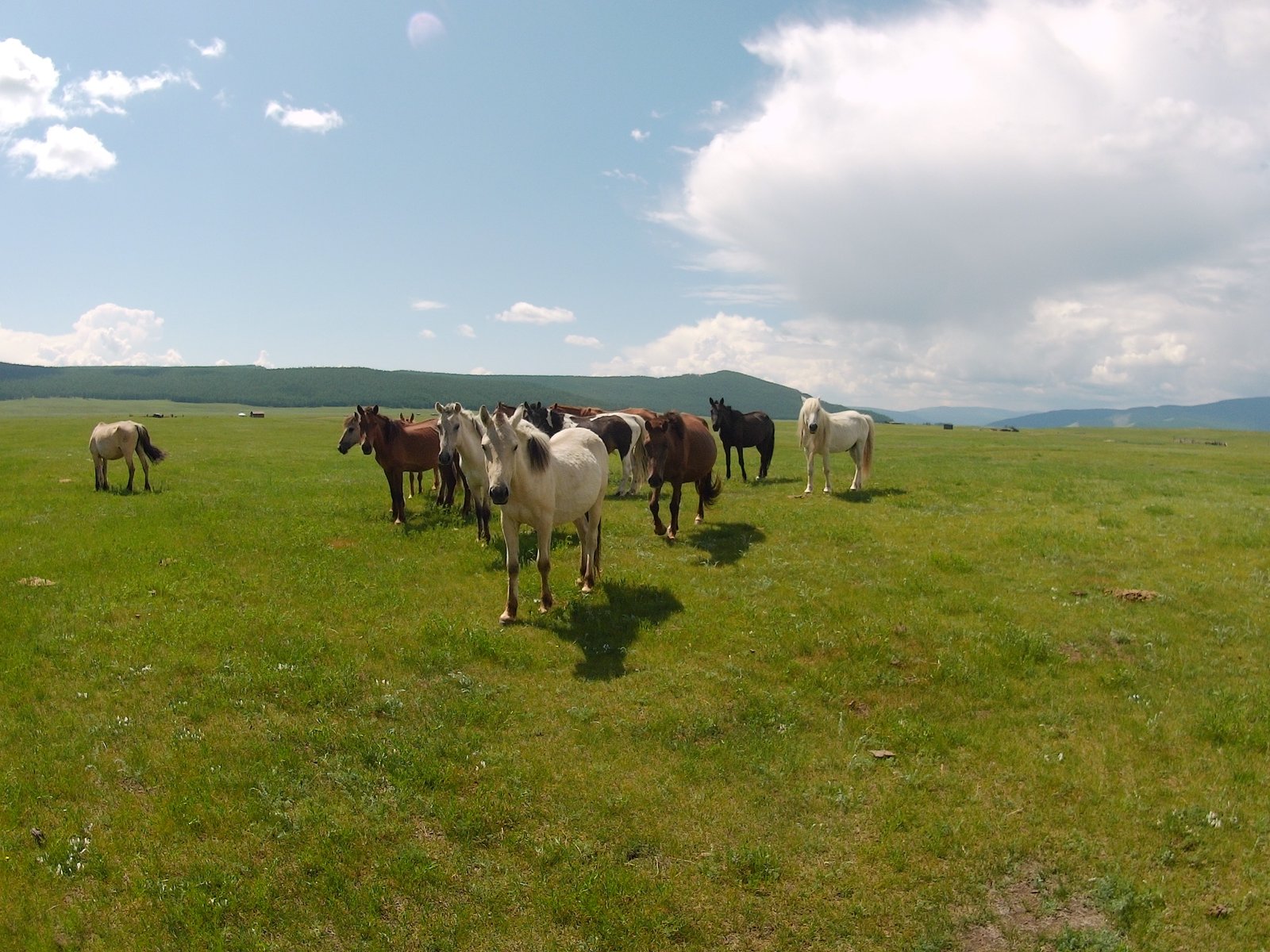
It's worth being honest here: as a visitor, you are a guest passing briefly through someone else's home and livelihood, not a spectator at a cultural performance. The respectful version of this trip is curious, quiet and grateful — not a photo-collecting exercise.
Horses, distance, and a different pace
Much of the country is still most practically explored on horseback, which tells you a lot about the terrain and the distances involved. Riding for a full day and covering what looks like a small distance on a map is a normal, humbling experience here. So is watching a Mongolian rider cover triple that distance without apparent effort.
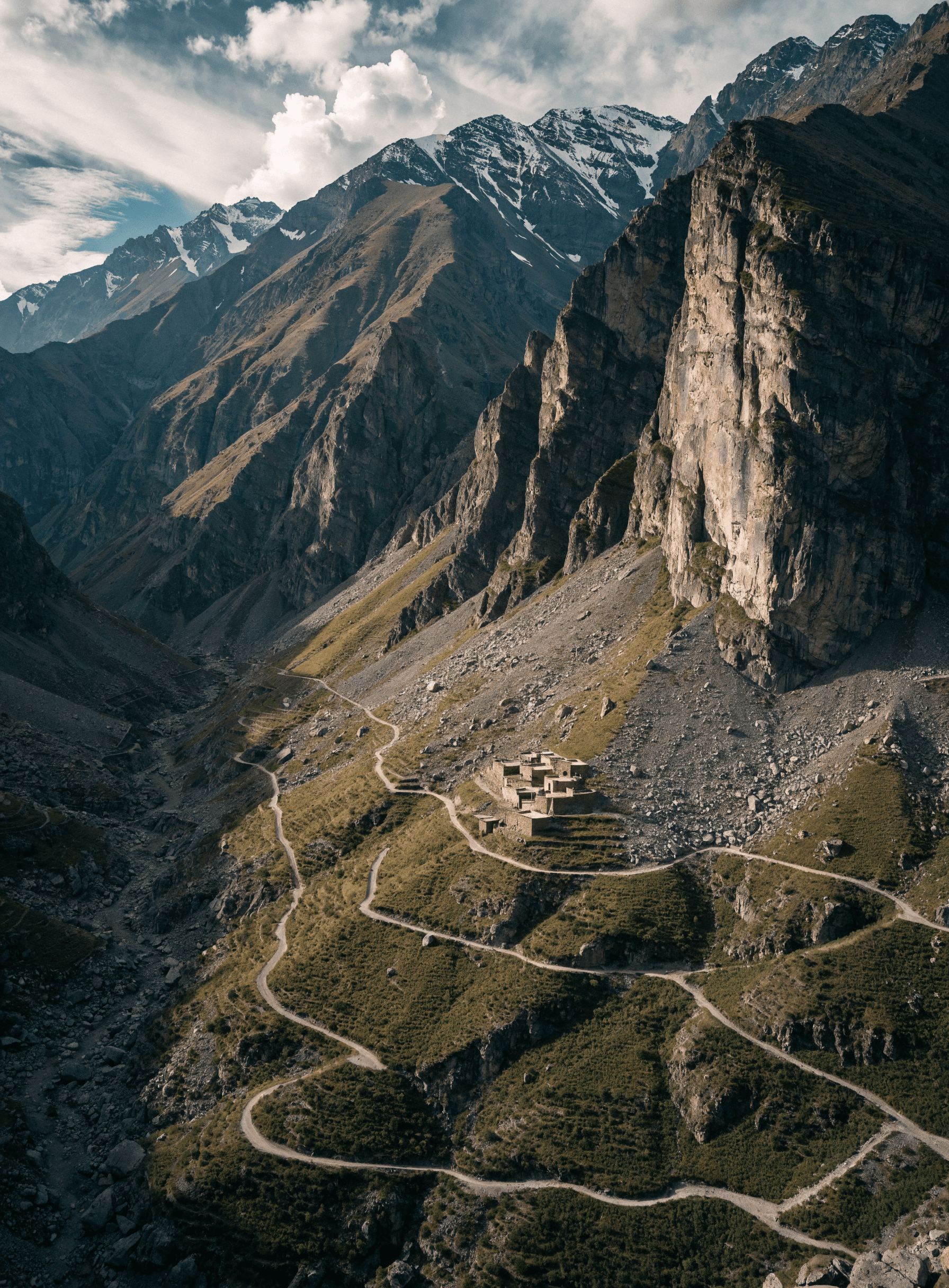
The scale of Mongolia doesn't hit you in a single moment. It builds slowly, valley after empty valley, until you stop expecting to see anyone else at all.
Why it stays with people
There's no single monument or photo spot that sums up Mongolia, and that's rather the point. It's a country you experience through duration and distance rather than a checklist — long rides, huge skies, and a landscape that makes you recalibrate what "remote" actually means.